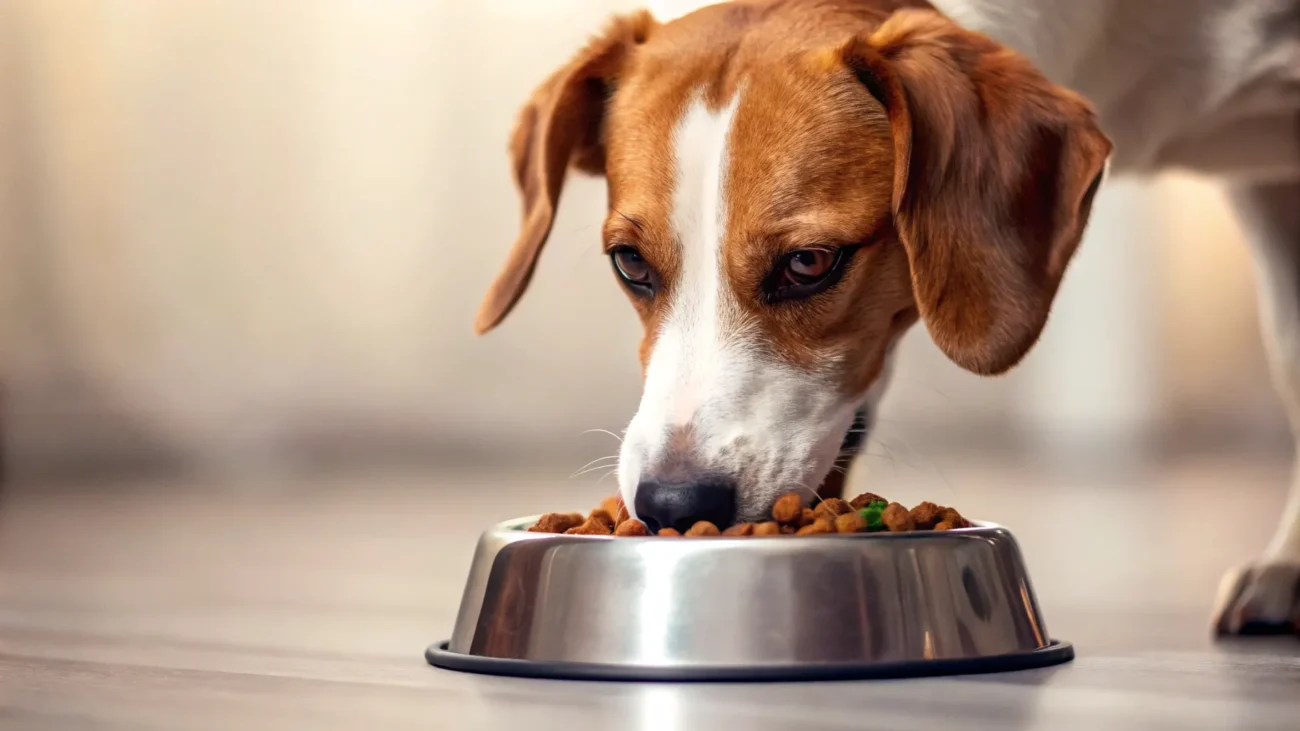
As pet owners, we are always looking for ways to enhance the health and wellbeing of our dogs. One often overlooked aspect is the way we feed them. Slow feeding techniques have gained popularity among veterinarians and pet owners alike due to the numerous health benefits they offer. Feeding your dog slowly isn’t just about preventing overeating; it can also contribute to better digestion, reduced risk of bloat, and even improved mental stimulation. In this article, we will explore the importance of slow feeding and how it can boost your dog’s overall health.
Understanding the Dangers of Fast Eating
Many dogs have a tendency to eat their meals very quickly, often referred to as “wolfing down” their food. This behavior can lead to several health issues, including:
- Bloat: One of the most serious risks associated with fast eating is bloat, also known as gastric dilatation-volvulus (GDV). This condition occurs when a dog’s stomach fills with gas and twists, causing a life-threatening obstruction. Large and deep-chested breeds are particularly susceptible to this condition.
- Choking: Eating too quickly can increase the risk of choking as dogs may not chew their food properly.
- Poor Digestion: Fast eating can lead to indigestion and stomach discomfort, as food is not properly broken down before reaching the stomach.
- Weight Gain: Rapid eating can contribute to overeating, as the dog may not feel full until after it has consumed more than what is necessary for its caloric needs.
Benefits of Slow Feeding
Implementing slow feeding techniques can mitigate the risks associated with fast eating and offer a range of benefits for your dog’s health:
- Improved Digestion: Slow feeding encourages your dog to chew its food thoroughly, aiding in better digestion and nutrient absorption.
- Reduced Risk of Bloat: By slowing down your dog’s eating pace, you can significantly decrease the likelihood of bloat.
- Weight Management: Slow feeding allows your dog to recognize when it is full, preventing overeating and aiding in weight management.
- Mental Stimulation: Slow feeders often involve interactive elements that provide mental stimulation and enrichment, keeping your dog engaged and entertained during mealtime.
Slow Feeding Techniques and Tools
There are various methods and tools available to help slow down your dog’s eating. Here are some popular options:
Interactive Slow Feeders
Interactive slow feeders come in various designs, such as maze bowls or puzzle feeders that require your dog to work for its food. These feeders not only slow down eating but also provide mental stimulation.
Portion Control
Instead of giving your dog its entire meal at once, divide the meal into smaller portions and serve them one at a time. This method naturally slows down the eating process.
Hand Feeding
Hand feeding your dog can be an effective way to control the pace at which it eats. This also provides an opportunity to bond with your dog and reinforce training commands.
Use Food-Dispensing Toys
Toys that dispense food when played with can be a great way to slow down eating while keeping your dog entertained. These toys require your dog to interact with them to release the food inside.
Elevated Bowls
For dogs with specific anatomical concerns, such as arthritis or mobility issues, elevated bowls can help slow down eating by making the dog more mindful of its posture while eating.
Implementing Slow Feeding in Your Routine
When introducing slow feeding techniques to your dog, it’s important to do so gradually to ensure a smooth transition. Here are some tips for implementing slow feeding in your routine:
- Start Slowly: Begin with minor changes, such as introducing an interactive feeder for one meal a day. Gradually incorporate slow feeding into all meals as your dog becomes accustomed to the new routine.
- Monitor Your Dog: Pay attention to your dog’s behavior and ensure it is comfortable with the new feeding method. Some dogs may need time to adjust, while others may take to it immediately.
- Stay Consistent: Consistency is key when implementing any new routine. Stick with the slow feeding techniques to maximize their benefits for your dog’s health.
Case Studies: Success Stories
Several dog owners have reported significant improvements in their pet’s health after switching to slow feeding techniques. For instance, a Labrador Retriever named Max used to eat so quickly that he often experienced digestive issues and occasional vomiting. After switching to a puzzle feeder, Max’s owner noticed a significant reduction in these problems, and Max seemed more satisfied and content after meals.
Another success story is that of Bella, a German Shepherd with a history of bloat. Her owner introduced slow feeding bowls, and Bella’s episodes of discomfort decreased dramatically. These case studies illustrate the positive impact slow feeding can have on a dog’s health and wellbeing.
Conclusion
Slow feeding techniques are a simple yet effective way to boost your dog’s health. By slowing down the eating process, you can help prevent serious health issues, improve digestion, and provide mental enrichment for your canine companion. Whether you choose an interactive feeder, portion control, or food-dispensing toys, incorporating slow feeding into your dog’s routine is a worthwhile endeavor. As always, consult with your veterinarian to determine the best feeding approach for your dog’s specific needs. By prioritizing your dog’s eating habits, you are taking an important step towards promoting a healthier and happier life for your furry friend.
