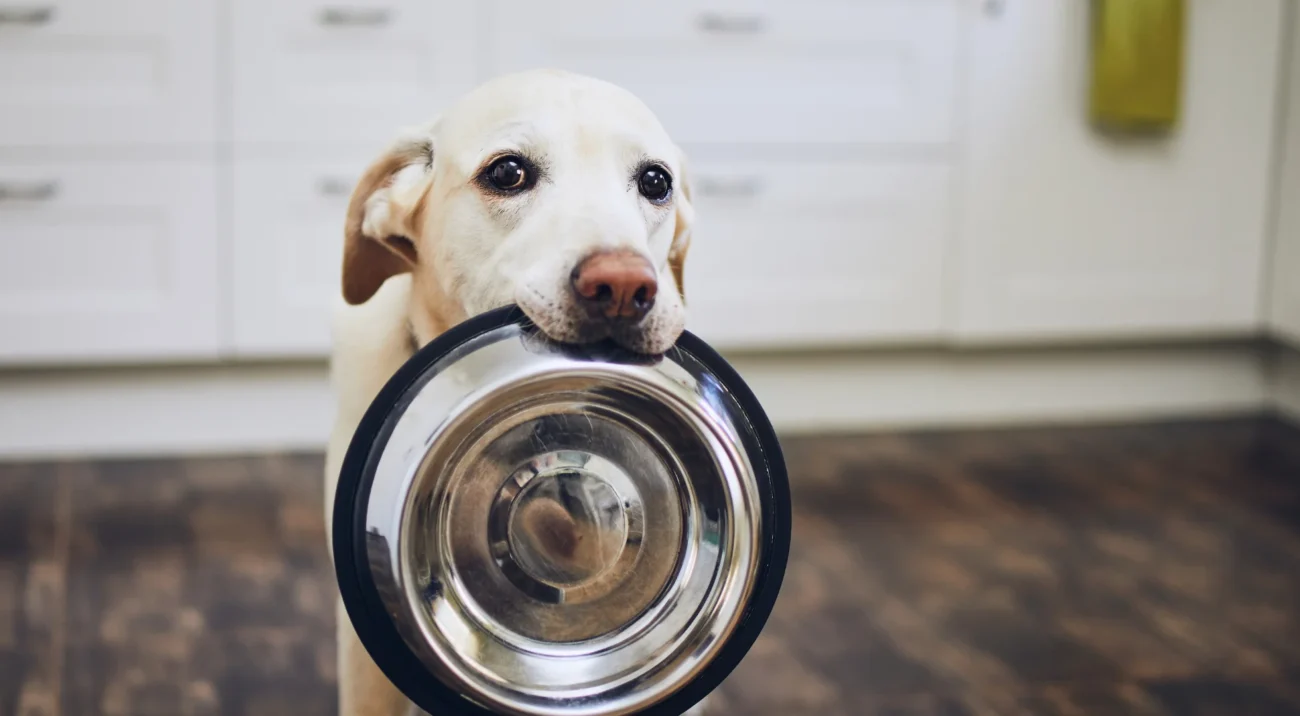
For many dog owners, feeding time is one of the highlights of the day. Yet, it’s not just about what you feed your dog, but how you feed them that matters. Optimizing your dog’s feeding bowl can significantly impact their health, behavior, and overall well-being. In this article, we delve into the essential tips that can help you choose the best feeding bowls for your canine companion and create a more enjoyable and beneficial feeding experience for them.
Understanding the Importance of the Right Feeding Bowl
The significance of choosing the right feeding bowl often goes unnoticed. A thoughtfully chosen bowl can aid in digestion, prevent health issues, and even enhance your dog’s eating habits. From material considerations to design features, every aspect of a feeding bowl can influence your dog’s eating experience.
Health Benefits
The correct feeding bowl can help prevent a range of health issues. For instance, elevated bowls can reduce strain on a dog’s neck and joints, especially in larger breeds or older dogs. Slow feeder bowls can prevent bloat, a serious condition that can occur when dogs eat too quickly. Additionally, non-slip bowls can help prevent spills and mess, reducing the risk of bacterial growth.
Behavioral Benefits
Feeding bowls can also influence a dog’s behavior. For example, interactive bowls or puzzle feeders can provide mental stimulation, reducing boredom and destructive behavior. They encourage slower eating, which can help with digestion and prevent overeating.
Choosing the Right Material
One of the first decisions you’ll need to make is selecting the right material for your dog’s feeding bowl. Each material comes with its own set of advantages and disadvantages.
Stainless Steel
Stainless steel bowls are a popular choice for many dog owners due to their durability and ease of cleaning. They are resistant to rust, do not hold odors, and are generally dishwasher safe. However, they can be noisy and may slide around if not fitted with a non-slip base.
Ceramic
Ceramic bowls are aesthetically pleasing and often come in various designs and colors. They are heavier, making them more stable, but they can chip or crack if dropped. It’s important to ensure they are lead-free and safe for pets.
Plastic
Plastic bowls are lightweight and affordable, making them a frequent choice for many pet owners. However, they can harbor bacteria if not cleaned properly and might leach chemicals over time. It’s crucial to choose BPA-free plastics and inspect regularly for signs of wear.
Design Considerations
The design of a feeding bowl can affect everything from the amount of food your dog consumes to their level of engagement at mealtime.
Elevated Bowls
Elevated bowls are positioned on a stand, allowing dogs to eat without bending down to the floor. This design is particularly beneficial for larger breeds or dogs with arthritis, as it reduces strain on their neck and joints.
Slow Feeder Bowls
These bowls feature ridges and mazes that make it challenging for dogs to gulp down their food too quickly. Slower eating can improve digestion and prevent health issues such as bloat.
Non-Slip Bowls
Non-slip bowls are equipped with a rubber base or grip to prevent movement while your dog eats. This feature is particularly useful for enthusiastic eaters who might push their bowl around the floor.
Size and Capacity
Selecting the right size and capacity for your dog’s feeding bowl is essential. A bowl that is too small may not hold enough food, while an excessively large bowl can encourage overeating. Consider your dog’s size, breed, and eating habits when selecting a bowl.
Puppies
Puppies require smaller bowls that suit their size and help manage portion control. As they grow, you can gradually increase the bowl size to accommodate their dietary needs.
Large Breeds
Larger breeds might benefit from a larger capacity bowl, but it’s vital to monitor their intake to prevent obesity. Consider elevated bowls for these dogs to reduce strain during feeding.
Maintenance Tips
Keeping your dog’s feeding bowl clean is crucial for their health. Here are some maintenance tips to ensure the longevity and safety of the feeding bowl.
Regular Cleaning
Wash your dog’s bowl after every meal to prevent bacteria and food residue buildup. For stainless steel and ceramic bowls, use warm water and mild detergent. Ensure plastic bowls are cleaned thoroughly to avoid any lingering bacteria.
Inspect for Damage
Regularly inspect your dog’s bowl for any signs of wear and tear, such as cracks or chips in ceramic bowls or scratches in plastic bowls. Damaged bowls can harbor bacteria and pose a health risk to your pet.
Dishwasher Safety
If using a dishwasher, ensure the bowl is dishwasher safe. Stainless steel and some ceramics are typically safe for dishwashers, but always check the manufacturer’s guidelines.
Conclusion
Optimizing your dog’s feeding bowl involves more than just picking a design that appeals to you. Consider the material, design, size, and maintenance requirements to find the best option for your furry friend. By choosing the right feeding bowl, you can enhance your dog’s eating experience, promote better health, and potentially improve their behavior. Remember, a little consideration and investment in the right feeding bowl can make a significant difference in your pet’s life.
