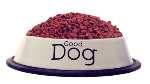
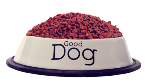

Dogs, like humans, require a balanced diet to maintain optimal health. The right nutrition supports their immune system, promotes healthy skin and coat, and ensures proper growth and development. Understanding your dog’s specific nutritional needs is the first step toward providing the best diet for them.
Essential Nutrients for Dogs
Just like any other animal, dogs need a combination of essential nutrients to thrive. These include:
Proteins
Proteins are crucial for building and repairing tissues. They are composed of amino acids, which are vital for various bodily functions. High-quality protein sources for dogs include chicken, beef, fish, and eggs.
Fats
Fats provide energy and are essential for the absorption of fat-soluble vitamins. They also contribute to healthy skin and coat. Good sources of fats include fish oil and chicken fat.
Carbohydrates
Carbohydrates offer a source of energy and support digestive health. While dogs are not obligate carnivores, they can benefit from carbohydrates found in vegetables and grains.
Vitamins and Minerals
Vitamins and minerals are necessary for numerous physiological functions. For instance, calcium and phosphorus support bone health, while vitamins A, D, E, and K are crucial for various body processes.
Choosing the Right Dog Food
Selecting the right dog food is essential for meeting your dog’s nutritional needs. Here are some tips to guide you:
Understand the Ingredients
Read the ingredient list on dog food labels carefully. Look for high-quality proteins as the main ingredient. Avoid foods with excessive fillers, artificial preservatives, and colors.
Consider Your Dog’s Life Stage
Dogs have different nutritional requirements at various stages of their lives. Puppies, adult dogs, and seniors need different nutrient balances. Choose a food that aligns with your dog’s life stage.
Special Dietary Needs
Some dogs have specific dietary needs due to allergies, medical conditions, or breed-specific requirements. Consult with a veterinarian to tailor a diet that meets these needs.
Homemade vs. Commercial Dog Food
The debate between homemade and commercial dog food is ongoing. Each option has its pros and cons.
Homemade Dog Food
Homemade meals allow for complete control over the ingredients. However, creating a balanced diet requires careful planning and understanding of canine nutrition. Consulting a veterinary nutritionist is advisable.
Commercial Dog Food
Commercial dog food is convenient and formulated to meet nutritional standards. Choose reputable brands that undergo rigorous quality control to ensure your dog’s health.
Feeding Schedule and Portion Control
Establishing a consistent feeding schedule is crucial for your dog’s digestion and overall well-being. Here are some guidelines:
Frequency
Puppies require more frequent feedings compared to adult dogs. Typically, puppies eat three to four times a day, while adults can be fed once or twice daily.
Portion Control
Overfeeding can lead to obesity, while underfeeding may cause malnutrition. Follow the feeding guidelines on the dog food package and adjust based on your dog’s activity level and body condition.
Hydration: The Importance of Water
Water is essential for all bodily functions. Ensure your dog always has access to fresh, clean water. Monitor their water intake, especially during hot weather or after exercise.
Signs of Nutritional Deficiencies or Excess
Being attentive to your dog’s health can help identify nutritional imbalances. Look out for signs such as:
Deficiencies
– Dull coat and flaky skin
– Weight loss or poor growth
– Lethargy or decreased activity
Excess
– Obesity
– Diarrhea or vomiting
– Excessive thirst or urination
Consulting a Veterinarian
Regular veterinary check-ups are crucial for maintaining your dog’s health. A veterinarian can assess your dog’s nutritional status and recommend dietary adjustments if needed. They can also help identify any underlying health issues that may affect nutritional needs.
Conclusion
Feeding your dog for optimal health involves understanding their nutritional requirements and choosing the right food. Whether you opt for commercial or homemade diets, ensure they are balanced and appropriate for your dog’s life stage and health status. Monitor your dog’s health and consult your veterinarian regularly to ensure they are receiving the best possible nutrition.
