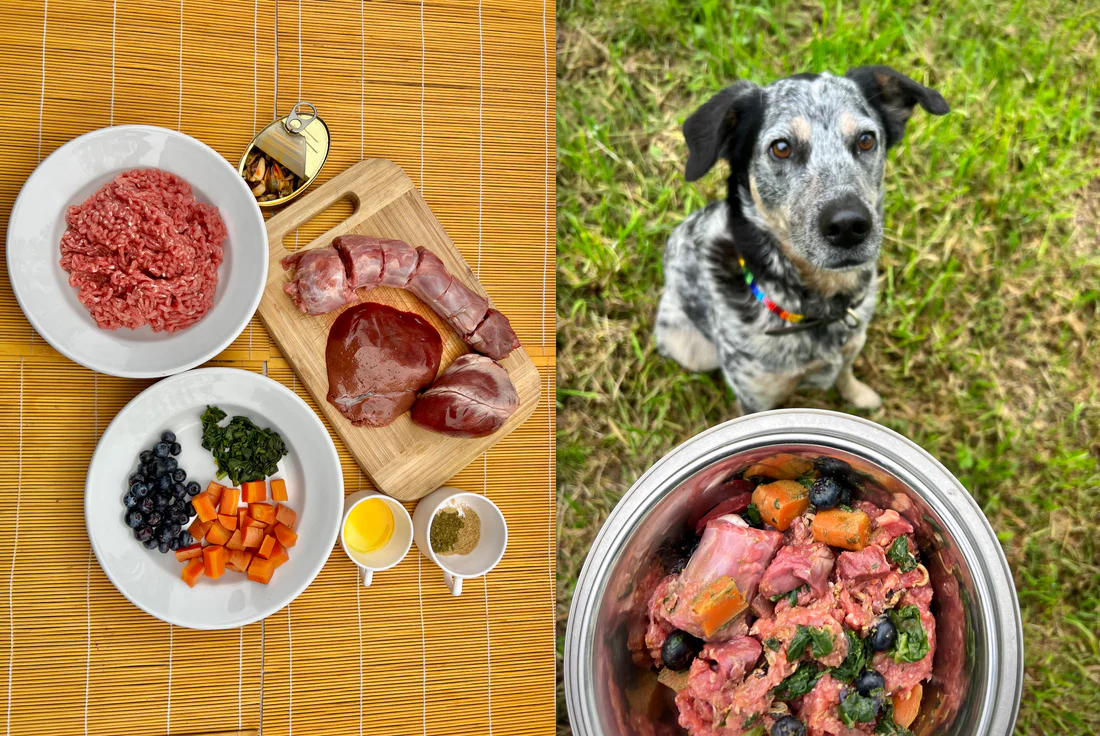
Providing your furry friend with nutritious and delicious meals is one of the best ways to ensure their well-being and longevity. Creating homemade dog food allows you to control the quality and quantity of ingredients, catering specifically to your dog’s dietary needs. In this article, we’ll explore several easy homemade dog food recipes that are not only healthy but also simple to prepare.
Why Choose Homemade Dog Food?
Many pet owners are turning to homemade dog food for a variety of reasons:
- Quality Control: Making dog food at home gives you full control over the ingredients used, ensuring there are no harmful additives or preservatives.
- Tailored Nutrition: You can tailor recipes to meet specific dietary requirements, helping address health issues or allergies your dog may have.
- Cost-Effective: While premium commercial dog foods can be expensive, homemade meals can be a more economical option, especially in bulk.
- Freshness: Homemade meals are fresh, with ingredients that you can trust and recognize.
Essential Nutrients for Dogs
Before diving into recipes, it’s important to understand the key nutrients that should be included in your dog’s diet:
- Protein: Essential for muscle growth and repair, sourced from meats like chicken, turkey, beef, or fish.
- Fats: Vital for energy and healthy skin, found in oils like fish oil or flaxseed oil.
- Carbohydrates: Provide energy and aid digestion, sourced from rice, oats, or sweet potatoes.
- Vitamins and Minerals: Crucial for overall health, obtainable from vegetables and fruits.
Basic Homemade Dog Food Recipe
This basic recipe is a great starting point for homemade dog food. It includes a balance of protein, carbohydrates, and vegetables.
Ingredients:
- 1 pound of ground turkey
- 1 cup of brown rice
- 1 cup of mixed vegetables (carrots, peas, green beans)
- 1 tablespoon of olive oil
- 2 ½ cups of water
Instructions:
- In a large pot, add ground turkey, olive oil, and water. Cook on medium heat, breaking up the meat with a spoon until it’s browned.
- Add brown rice to the pot, then stir in the mixed vegetables.
- Bring the mixture to a boil, then reduce the heat to low. Cover and simmer for about 20 minutes, or until the rice is fully cooked.
- Allow the mixture to cool before serving it to your dog. Store leftovers in the refrigerator for up to five days.
Chicken and Sweet Potato Delight
This recipe is rich in protein and complex carbohydrates, perfect for active dogs.
Ingredients:
- 2 chicken breasts, cooked and shredded
- 1 large sweet potato, cooked and mashed
- 1 cup of spinach, chopped
- 1 tablespoon of fish oil
Instructions:
- Mix the shredded chicken with mashed sweet potato in a large bowl.
- Fold in the chopped spinach and fish oil until well combined.
- Serve the mixture at room temperature and refrigerate any leftovers.
Beef and Quinoa Power Bowl
Quinoa is a superfood that’s great for dogs, providing essential amino acids and fiber.
Ingredients:
- 1 pound of lean ground beef
- 1 cup of quinoa, cooked
- 1 zucchini, grated
- 1 carrot, grated
Instructions:
- In a skillet, cook the ground beef over medium heat until fully browned. Drain excess fat.
- Add the cooked quinoa, grated zucchini, and carrot to the beef. Stir until combined.
- Let the mixture cool before serving it to your dog.
Fish and Oatmeal Feast
This recipe is ideal for dogs who love fish. Fish is a great source of omega-3 fatty acids, which promote healthy skin and coat.
Ingredients:
- 2 fillets of salmon, cooked and flaked
- 1 cup of oatmeal, cooked
- 1/2 cup of peas
- 1/2 cup of broccoli, chopped
Instructions:
- In a large bowl, combine flaked salmon with cooked oatmeal.
- Stir in peas and chopped broccoli until well mixed.
- Allow to cool before serving.
Important Considerations
When preparing homemade dog food, it’s vital to ensure that your dog receives a balanced diet. Here are some considerations to keep in mind:
- Consult Your Vet: Before making any major changes to your dog’s diet, consult with a veterinarian, especially if your dog has specific health issues.
- Portion Sizes: Adjust portion sizes based on your dog’s size, age, and activity level. Overfeeding can lead to obesity, while underfeeding can cause nutritional deficiencies.
- Supplementation: Some homemade diets may require additional vitamins and minerals, which your vet can recommend based on your dog’s specific needs.
- Food Safety: Practice good food safety by keeping raw and cooked foods separate, cooking all meats thoroughly, and washing your hands and cooking surfaces regularly.
Conclusion
Making homemade dog food can be a rewarding experience that benefits your dog’s health and well-being. By using fresh and wholesome ingredients, you can ensure that your pet receives the nutrients they need to thrive. Remember to consult with your veterinarian to tailor recipes to your dog’s specific dietary needs and enjoy the process of cooking for your beloved pet.
#ChatGPT assisted in the creation of this article.
