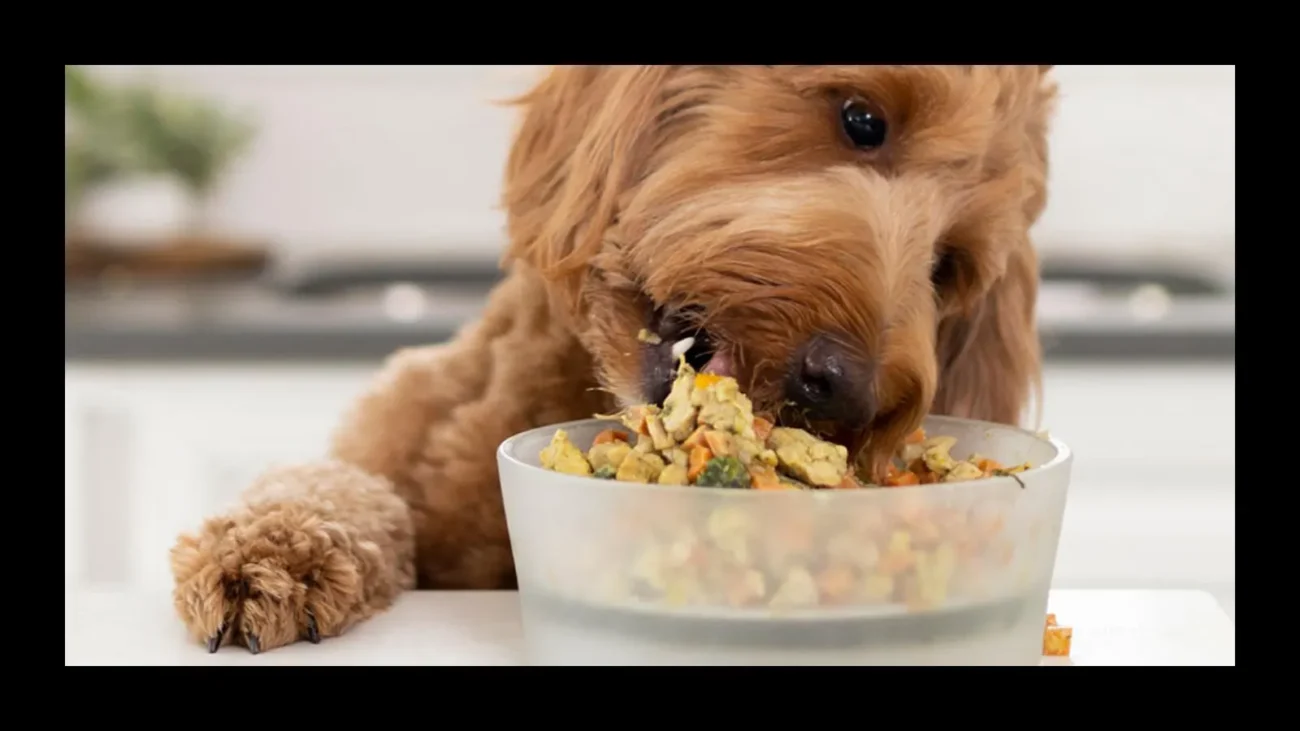
As our beloved canine companions grow older, their nutritional needs begin to change. Senior dogs require a diet that is specifically tailored to support their aging bodies, maintain their energy levels, and prevent health issues that commonly arise with age. Homemade senior dog food can be a wonderful way to ensure your furry friend receives the balanced nutrition they need for a long, healthy life. In this article, we will explore the importance of a nutritious diet for senior dogs, the key ingredients to include, and some delicious homemade recipes that will delight your pet’s palate.
The Importance of Nutrition for Senior Dogs
Nutrition plays a crucial role in the health and longevity of senior dogs. As dogs age, their metabolism slows down, and they may become less active, leading to potential weight gain. Additionally, older dogs often face issues such as joint pain, dental problems, and weakened immune systems. A well-balanced diet can help address these concerns by providing the necessary nutrients to support overall health.
A nutritious diet can aid in maintaining a healthy weight, reducing the risk of obesity-related diseases, and supporting joint health. It can also improve cognitive function, promote a shiny coat, and strengthen the immune system. Therefore, preparing homemade meals that cater to the specific needs of senior dogs can be an excellent way to enhance their quality of life.
Essential Nutrients for Senior Dog Food
When crafting homemade meals for your senior dog, it’s important to include a variety of nutrients that cater to their changing needs. Here are some essential components to consider:
1. High-Quality Protein
Protein is vital for maintaining muscle mass and supporting overall health. Opt for lean sources such as chicken, turkey, fish, or lean cuts of beef. These proteins are easier to digest and provide essential amino acids.
2. Healthy Fats
Healthy fats are important for energy and coat health. Incorporate sources like fish oil, flaxseed oil, or coconut oil to provide omega-3 fatty acids, which can help reduce inflammation and support cognitive function.
3. Complex Carbohydrates
Complex carbohydrates like brown rice, quinoa, and sweet potatoes provide essential energy and fiber. Fiber aids in digestion and can help prevent constipation, a common issue in older dogs.
4. Fruits and Vegetables
Fruits and vegetables are excellent sources of vitamins, minerals, and antioxidants. Incorporate options like carrots, spinach, blueberries, and pumpkin. These ingredients can support immune health and improve digestion.
5. Joint Supplements
Consider adding joint supplements such as glucosamine and chondroitin to your dog’s diet. These supplements can help alleviate joint pain and improve mobility, which is particularly important for senior dogs.
Homemade Senior Dog Food Recipes
Now that we understand the essential nutrients for senior dogs, let’s explore some delicious and nutritious homemade recipes that you can prepare for your furry friend.
Chicken and Rice Delight
Ingredients:
– 2 cups of cooked chicken breast (shredded)
– 1 cup of cooked brown rice
– 1/2 cup of carrots (grated)
– 1/2 cup of peas
– 1 tablespoon of fish oil
Instructions:
1. In a large mixing bowl, combine the shredded chicken, cooked brown rice, grated carrots, and peas.
2. Drizzle the fish oil over the mixture and stir until all ingredients are well combined.
3. Serve at room temperature, and store any leftovers in the refrigerator for up to three days.
Beef and Vegetable Stew
Ingredients:
– 2 cups of lean beef (cubed)
– 1 sweet potato (cubed)
– 1/2 cup of green beans (chopped)
– 1/2 cup of spinach (chopped)
– 2 cups of low-sodium beef broth
Instructions:
1. In a large pot, combine the beef cubes, sweet potato, green beans, and beef broth.
2. Bring to a boil, then reduce the heat and let it simmer for 30 minutes.
3. Add the chopped spinach and continue to cook for an additional 10 minutes.
4. Allow the stew to cool before serving, and refrigerate any leftovers for up to three days.
Fish and Quinoa Medley
Ingredients:
– 2 cups of cooked white fish (such as cod or tilapia)
– 1 cup of cooked quinoa
– 1/2 cup of blueberries
– 1/4 cup of zucchini (grated)
– 1 tablespoon of flaxseed oil
Instructions:
1. In a large mixing bowl, combine the cooked fish, quinoa, blueberries, and grated zucchini.
2. Drizzle the flaxseed oil over the mixture and stir until all ingredients are well combined.
3. Serve at room temperature, and store any leftovers in the refrigerator for up to three days.
Transitioning to Homemade Dog Food
When introducing homemade meals to your senior dog’s diet, it’s important to do so gradually. Sudden changes in diet can lead to digestive upset. Start by mixing small amounts of the new food with your dog’s current diet, gradually increasing the proportion of homemade food over a week or two.
It’s also advisable to consult with your veterinarian before making any significant changes to your dog’s diet. They can provide guidance on portion sizes, specific nutrient requirements, and any health concerns that need to be addressed.
Conclusion
Providing your senior dog with nutritious homemade meals can be a rewarding experience that promotes their health and longevity. By including high-quality proteins, healthy fats, complex carbohydrates, and a variety of fruits and vegetables, you can ensure your furry friend receives the balanced nutrition they need. Remember to consult with your veterinarian and transition gradually to homemade food. With love and care, you can support your senior dog’s well-being and enjoy many more happy years together.
Additional Tips for Senior Dog Care
In addition to a nutritious diet, there are several other aspects of senior dog care that can contribute to their overall well-being:
Regular Exercise
While senior dogs may not be as active as they once were, regular exercise is still important for maintaining a healthy weight and supporting joint health. Opt for low-impact activities such as short walks, swimming, or gentle play sessions.
Regular Veterinary Check-Ups
Regular veterinary visits are crucial for monitoring your senior dog’s health. Routine check-ups can help detect potential health issues early and ensure that their nutritional needs are being met.
Comfortable Living Environment
Create a comfortable and safe living environment for your senior dog. Provide a soft, supportive bed, easy access to food and water, and consider using ramps or stairs to help them navigate their surroundings.
Mental Stimulation
Mental stimulation is important for keeping your senior dog’s mind sharp. Engage them with puzzle toys, scent games, or simple training exercises to keep their cognitive function strong.
By combining a nutritious homemade diet with proper care and attention, you can help your senior dog enjoy a happy and healthy life. Embrace the opportunity to provide them with the love and support they deserve, and cherish the precious moments you share together.
