Ensuring your dog receives the proper nutrition is a vital aspect of responsible pet ownership. A key component of this is understanding your dog’s calorie needs. Just like humans, dogs require a balanced diet to maintain their health, energy, and overall well-being. However, determining the right amount of calories can be a complex task, given the diversity in dog breeds, sizes, ages, and activity levels. This article aims to provide insight into understanding and calculating your dog’s calorie needs to promote a healthier lifestyle.
What Are Calories?
Calories are units of energy that measure the amount of energy food provides to the body. In the context of dog nutrition, calories are essential as they fuel all bodily functions, from running and playing to simply breathing and digesting food. The number of calories a dog needs depends on several factors, including age, weight, breed, activity level, and overall health. Providing the right amount of calories is crucial to avoid issues like obesity or malnutrition.
Factors Affecting Your Dog’s Calorie Needs
Breed and Size
Different dog breeds have varying energy requirements. Generally, larger breeds such as Great Danes and Saint Bernards have higher calorie needs than smaller breeds like Chihuahuas or Pomeranians. This is due to their greater body mass and the energy required to support it. However, some small breeds have high metabolisms and may need more calories per pound than some larger breeds.
Age
Puppies require more calories per pound of body weight compared to adult dogs because they are growing and developing. As dogs age, their metabolism slows down, and their calorie requirements decrease. Senior dogs may need fewer calories due to reduced activity levels, but it’s essential to ensure they still receive the necessary nutrients.
Activity Level
Active dogs, such as working dogs or those that participate in regular sports or exercise, require more calories to support their energy expenditure. Conversely, dogs with a sedentary lifestyle or those that spend most of their time indoors may need fewer calories to maintain a healthy weight.
Health Status
Health conditions can also impact a dog’s calorie needs. For instance, dogs with hyperthyroidism may require more calories, while those with obesity or certain metabolic disorders may need a reduced-calorie diet. It’s essential to consult a veterinarian if your dog has any health concerns that could affect their dietary needs.
Calculating Your Dog’s Calorie Needs
Understanding Resting Energy Requirement (RER)
The Resting Energy Requirement (RER) is the amount of energy a dog needs at rest in a thermoneutral environment, calculated using the dog’s weight. The formula to calculate RER is:
RER = 70 x (body weight in kg)^0.75
This calculation provides a baseline for understanding the minimum caloric needs of your dog.
Maintenance Energy Requirement (MER)
Once you have the RER, the next step is to determine the Maintenance Energy Requirement (MER), which considers the dog’s activity level and other factors. The MER is calculated by multiplying the RER by a factor that reflects the dog’s lifestyle and health status:
- Puppies: RER x 2-3 (depending on age and breed)
- Adult dogs: RER x 1.6 (average activity) to 2 (high activity)
- Senior dogs: RER x 1.2-1.4
- Neutered/Spayed dogs: RER x 1.6
- Obese/Inactive dogs: RER x 1.2-1.4
These multipliers are general guidelines and should be adjusted based on your dog’s specific needs and lifestyle.
Adjusting Caloric Intake
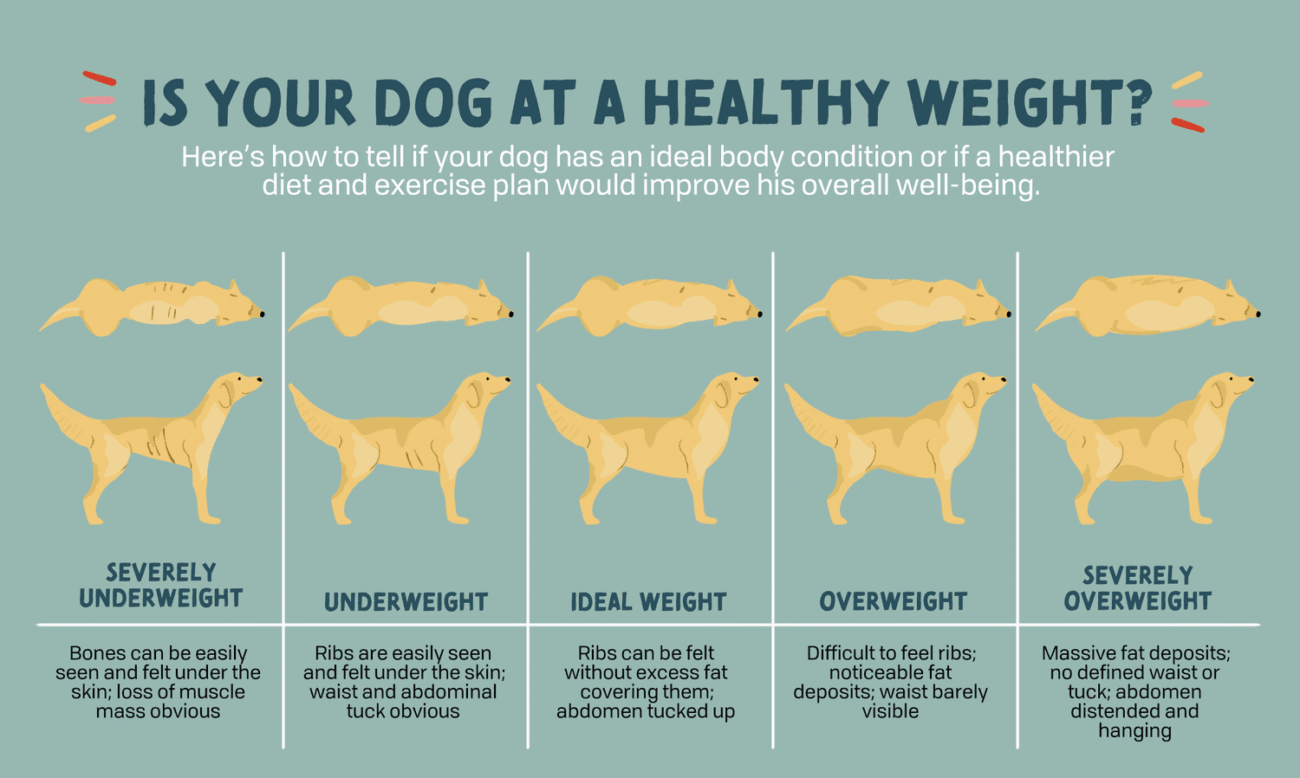
Once you’ve calculated your dog’s calorie needs, it’s crucial to monitor their weight and body condition regularly. This will help you determine whether you need to adjust their caloric intake. It’s recommended to weigh your dog every few weeks, especially if you’re making changes to their diet.
If your dog is gaining too much weight, consider reducing their calorie intake or increasing their exercise. Conversely, if your dog is losing weight or appears underweight, you may need to increase their caloric intake or seek veterinary advice.
Choosing the Right Food
Understanding Dog Food Labels
When selecting dog food, it’s essential to understand the information on the packaging. Look for labels that list the calorie content, usually expressed as kilocalories (kcal) per cup or can. This information will help you determine the appropriate portion size for your dog based on their calorie needs.
Quality of Ingredients
Choose high-quality dog food that contains real meat, vegetables, and grains. Avoid foods with excessive fillers, artificial preservatives, and by-products. High-quality ingredients ensure your dog receives the necessary nutrients along with their caloric intake.
Special Considerations
Dietary Restrictions and Allergies
If your dog has dietary restrictions or allergies, consult with a veterinarian to find suitable food options. Some dogs require specialized diets, such as grain-free or limited-ingredient formulas, to accommodate their health needs.
Treats and Snacks
Treats and snacks should be included in your dog’s daily calorie count. Overfeeding treats can lead to weight gain and nutritional imbalances. It’s best to use treats as rewards in moderation and choose healthy options, such as small pieces of fruits or vegetables.
Conclusion
Understanding your dog’s calorie needs is an essential part of maintaining their health and happiness. By considering factors such as breed, age, activity level, and health status, you can determine the right amount of calories to support their lifestyle. Regular monitoring and adjustments, along with choosing high-quality food and treats, will help ensure your dog stays healthy and active. Always consult with a veterinarian for personalized advice and recommendations tailored to your dog’s specific needs.
