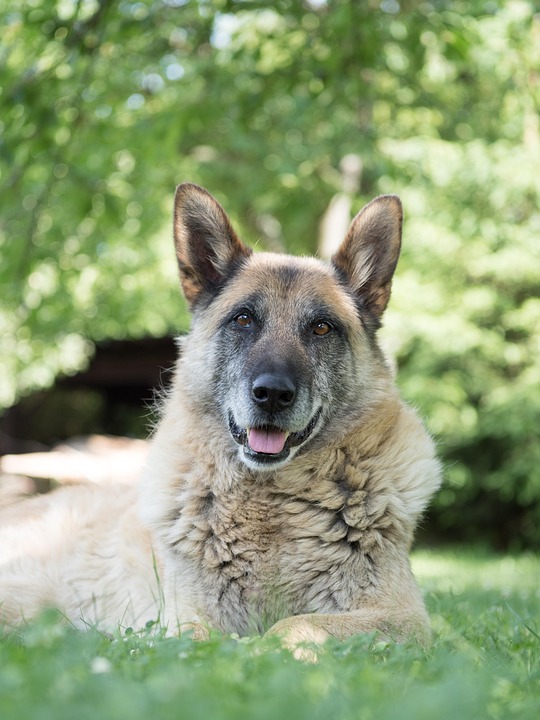
As our beloved canine companions age, their nutritional needs evolve. Senior dogs, typically defined as those over seven years old, require specific dietary considerations to maintain their health and vitality. Just as with humans, aging in dogs can bring about changes in metabolism, joint health, cognitive function, and overall energy levels. Understanding and implementing optimal nutrition for senior dogs is crucial in supporting their longevity and quality of life.
Understanding the Nutritional Needs of Senior Dogs
Senior dogs experience physiological changes that can affect their nutritional requirements. Recognizing these changes is the first step in ensuring they receive the appropriate diet.
Decreased Caloric Needs
As dogs age, their metabolism slows down, leading to a decrease in energy requirements. Senior dogs often become less active, which can further reduce their caloric needs. Overfeeding can lead to obesity, a common issue in older dogs, which can exacerbate health problems like arthritis, diabetes, and heart disease. Therefore, it is essential to adjust their caloric intake to prevent weight gain while still meeting their nutritional requirements.
Increased Need for High-Quality Protein
Contrary to some outdated beliefs, senior dogs benefit from a diet rich in high-quality protein. Protein is vital for maintaining muscle mass, which tends to decline with age. Look for sources of easily digestible proteins such as chicken, turkey, or fish, which provide essential amino acids necessary for muscle repair and maintenance.
Joint Health Support
Joint issues, such as arthritis, are common in senior dogs. Nutrients like glucosamine, chondroitin, and omega-3 fatty acids can support joint health and reduce inflammation. These nutrients are often found in specialized senior dog foods or can be provided through supplements.
Digestive Health
Older dogs may experience changes in their digestive efficiency. Including dietary fiber in their diet can promote healthy digestion and prevent constipation. Ingredients like pumpkin, sweet potatoes, and whole grains are excellent fiber sources.
Cognitive Function
Cognitive decline, similar to dementia in humans, can affect senior dogs. Antioxidants such as vitamins E and C, along with omega-3 fatty acids, have been shown to support brain health and cognitive function.
Choosing the Right Senior Dog Food
Selecting the right food for your senior dog involves considering their unique nutritional needs and health conditions. Here’s a guide to help you make an informed choice.
Look for Age-Appropriate Formulas
Many pet food brands offer formulas specifically designed for senior dogs. These products typically contain balanced nutrients tailored to the needs of aging pets, including appropriate protein levels, reduced calories, and added joint support ingredients.
Check for Quality Ingredients
Opt for dog foods that list high-quality protein sources as the primary ingredient. Avoid products with excessive fillers, artificial preservatives, or by-products. Whole foods and natural ingredients should be prioritized to ensure your senior dog receives optimal nutrition.
Consider Your Dog’s Health Conditions
If your senior dog has specific health issues, such as kidney disease, diabetes, or allergies, consult your veterinarian for dietary recommendations. Specialized diets may be necessary to manage these conditions effectively.
Evaluate Portion Sizes
Adjust meal portions based on your dog’s weight, activity level, and overall health. Regularly monitor their body condition to ensure they maintain a healthy weight. Consult your veterinarian for guidance on appropriate portion sizes.
Supplements to Support Senior Dog Health
In addition to a balanced diet, supplements can provide targeted support for common senior dog health concerns.
Joint Supplements
Joint health supplements containing glucosamine, chondroitin, and MSM can help alleviate arthritis symptoms and improve mobility. Omega-3 fatty acids from fish oil are also beneficial for reducing inflammation.
Probiotics
Probiotics support a healthy gut microbiome, aiding digestion and nutrient absorption. They can be particularly beneficial for senior dogs who experience digestive issues.
Antioxidants
Supplements rich in antioxidants, such as vitamins C and E, support immune function and cognitive health. They help neutralize free radicals and reduce oxidative stress.
Omega-3 Fatty Acids
In addition to joint and cognitive benefits, omega-3 fatty acids promote healthy skin and coat. They can be found in fish oil supplements or foods enriched with these nutrients.
Hydration and Its Importance
Adequate hydration is vital for senior dogs, as they may be more prone to dehydration. Ensure your dog has constant access to fresh, clean water. Wet or canned foods can also contribute to their daily water intake, making it an excellent option for dogs who may not drink enough water.
Monitoring and Adjusting the Diet
Regularly monitor your senior dog’s health and dietary needs, as they may change over time. Be attentive to any signs of weight gain or loss, changes in appetite, or new health issues. Routine veterinary check-ups are essential to assess your dog’s overall health and adjust their diet accordingly.
Conclusion
Providing optimal nutrition for senior dogs involves understanding their unique dietary needs and making informed choices about their diet. By focusing on balanced nutrition, appropriate portion sizes, and targeted supplements, you can support your senior dog’s health, longevity, and quality of life. Remember, consulting with your veterinarian is crucial in developing a tailored nutritional plan that addresses your dog’s individual needs, ensuring they age gracefully and comfortably.
