Ensuring your dog receives a balanced and nutritious diet is crucial for their overall health and longevity. Among the various dietary components, protein plays a pivotal role in maintaining your canine companion’s vitality. High-protein diets are often recommended for dogs due to their numerous health benefits. In this article, we will explore why protein is essential, the benefits of high-protein diets, considerations for different dog breeds, and how to select the right protein sources for your dog.
The Importance of Protein in a Dog’s Diet
Protein is a fundamental nutrient for dogs, serving as the building block for muscles, skin, fur, and other tissues. It is comprised of amino acids, which are essential for various bodily functions. Dogs require 22 amino acids, out of which 10 must be obtained through their diet as their bodies cannot produce them naturally.
Proteins are not only vital for physical development and repair but also play a crucial role in producing enzymes and hormones, supporting immune function, and providing energy. A diet lacking in sufficient protein can lead to muscle wasting, a weakened immune system, and other health issues.
Benefits of High-Protein Diets for Dogs
1. Muscle Development and Maintenance
Protein is essential for building and maintaining strong muscles. Active and working dogs, such as those participating in agility training or herding activities, particularly benefit from high-protein diets. These dogs require additional protein to support muscle growth and recovery after strenuous activities.
2. Weight Management
High-protein diets can aid in weight management for both overweight and underweight dogs. Protein-rich foods tend to be more satiating, helping to control appetite and reduce overall calorie intake. For overweight dogs, a high-protein diet can promote fat loss while preserving lean muscle mass, contributing to a healthier body composition.
3. Improved Coat and Skin Health
A glossy and healthy coat is often a sign of a well-nourished dog. Protein is a critical component in the production of keratin, the protein that makes up hair. Adequate protein intake supports the growth of strong, shiny fur and helps maintain healthy skin, reducing issues like dryness and flakiness.
4. Enhanced Immune Function
Proteins are vital for the production of antibodies and other immune system components. A high-protein diet can bolster your dog’s immune system, enabling them to combat infections and diseases more effectively.
5. Increased Energy Levels
Proteins are a source of energy for dogs, especially when they engage in regular physical activities. High-protein diets provide the necessary fuel to keep your dog active and energetic throughout the day.
Considerations for Different Dog Breeds
While high-protein diets can benefit most dogs, it is essential to consider breed-specific needs and individual variations.
1. Small Breeds
Small dog breeds generally have higher metabolic rates and may benefit from a diet with a slightly higher protein content. However, portion control is crucial to prevent overfeeding and weight gain.
2. Large Breeds
Large dog breeds often require a balanced approach to protein intake. Excessive protein can contribute to rapid growth, leading to skeletal issues. Consulting with a veterinarian can help determine the appropriate protein levels for your large breed dog.
3. Working and Sporting Breeds
Dogs that engage in rigorous physical activities, such as working or sporting breeds, often require high-protein diets to meet their energy demands. These dogs need more protein to support muscle repair and maintain endurance.
Selecting the Right Protein Sources
Not all protein sources are created equal. Choosing high-quality protein sources is essential to ensure your dog receives the necessary nutrients.
1. Animal-Based Proteins
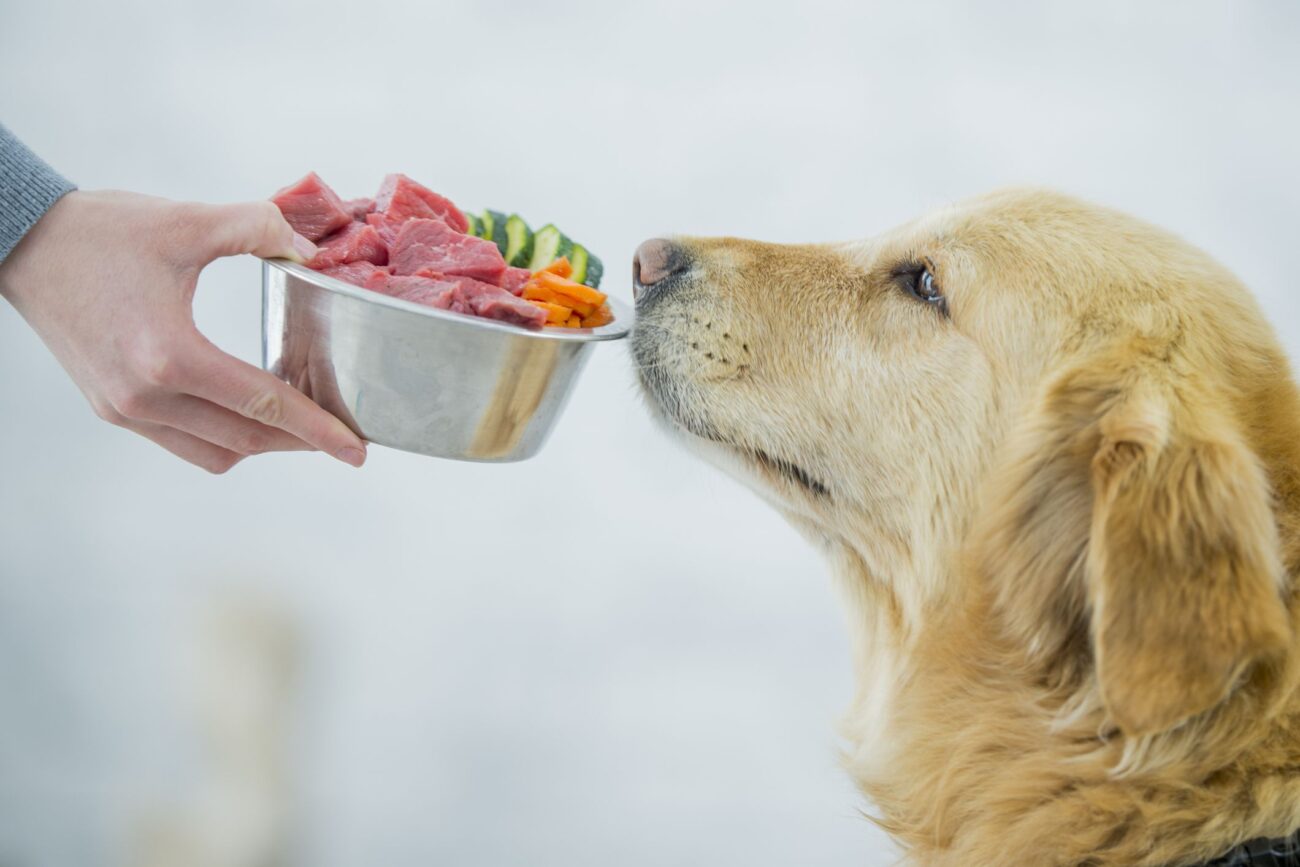
Animal-based proteins, such as chicken, beef, lamb, and fish, are considered complete proteins as they contain all essential amino acids. These proteins are highly digestible and biologically appropriate for dogs. When selecting animal-based proteins, prioritize lean cuts to avoid excess fat intake.
2. Plant-Based Proteins
Plant-based proteins, like peas, lentils, and chickpeas, can supplement your dog’s protein intake but should not be the primary source. While they offer some nutritional benefits, they may lack certain essential amino acids. Combining plant-based proteins with animal-based ones can create a balanced diet.
3. Protein Quality and Digestibility
When evaluating protein sources, consider their digestibility and bioavailability. High-quality proteins are easier for your dog to digest and utilize. Look for dog foods with named animal proteins as the first ingredient and avoid those with vague labels like “meat by-products.”
Transitioning to a High-Protein Diet
Switching your dog’s diet should be done gradually to prevent digestive upset. Here’s how to transition to a high-protein diet:
1. Consult Your Veterinarian
Before making any dietary changes, consult your veterinarian to ensure a high-protein diet is suitable for your dog, considering their age, weight, and health condition.
2. Gradual Transition
Start by mixing a small amount of the new high-protein food with your dog’s current food. Gradually increase the proportion of the new food over 7-10 days until the transition is complete.
3. Monitor Your Dog’s Response
Observe your dog for any changes in appetite, digestion, and energy levels during the transition. If any adverse reactions occur, consult your veterinarian immediately.
Conclusion
A high-protein diet can significantly enhance your dog’s health, supporting muscle development, weight management, coat and skin health, immune function, and energy levels. By understanding your dog’s specific needs and selecting high-quality protein sources, you can create a balanced and nutritious diet that promotes their overall well-being. Always consult with your veterinarian before making any significant dietary changes to ensure your furry friend receives the best possible nutrition.
