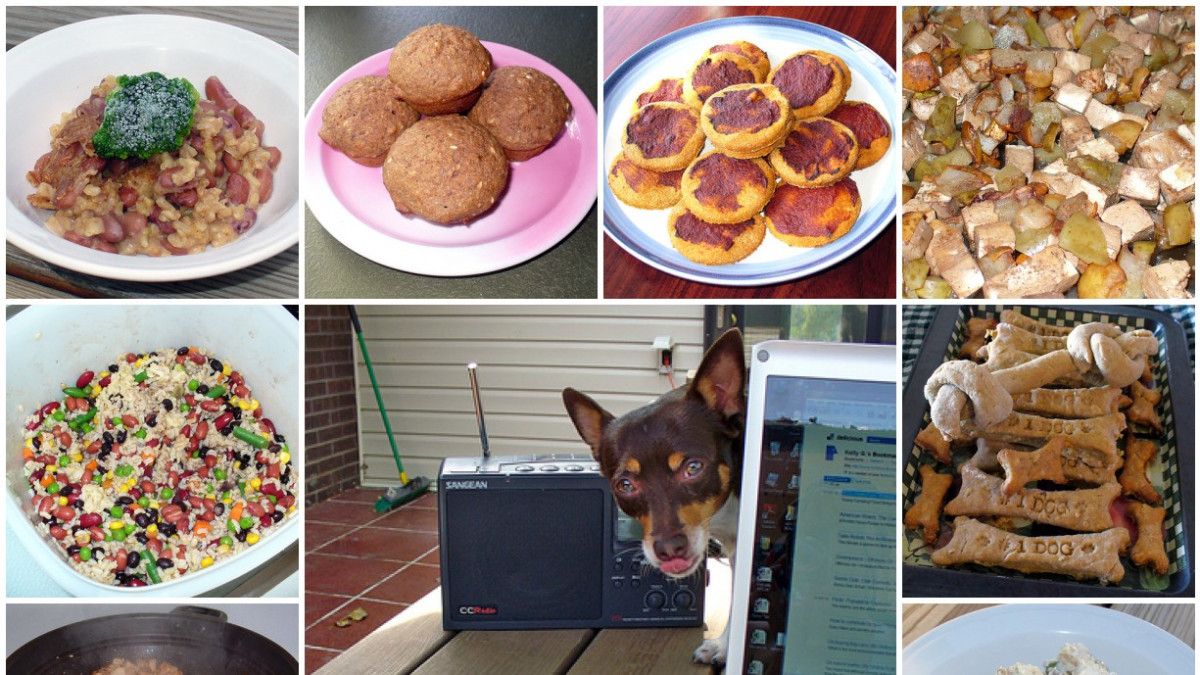
In recent years, pet owners have become increasingly mindful of their pets’ diets, seeking out healthier alternatives to commercial dog food. Crafting homemade dog food is one way to ensure your pet receives a balanced diet tailored to their specific needs. This article will guide you through the essentials of creating nutritious DIY dog food, emphasizing the importance of balanced nutrition and providing recipes that you can easily prepare at home.
Understanding Canine Nutritional Needs
Before diving into recipes, it’s important to understand the nutritional requirements of dogs. Dogs are omnivores, meaning they need a balanced diet of proteins, carbohydrates, fats, vitamins, and minerals. Each of these components plays a vital role in maintaining your dog’s health.
Proteins
Proteins are crucial for building and repairing tissues. They also play a key role in producing enzymes and hormones. Common protein sources for dogs include chicken, beef, turkey, fish, and eggs.
Carbohydrates
Carbohydrates provide energy and support digestive health. Whole grains like brown rice, oats, and barley, as well as starchy vegetables like sweet potatoes, are excellent carbohydrate sources for dogs.
Fats
Fats are a concentrated energy source and are essential for healthy skin and coat. They also aid in the absorption of fat-soluble vitamins. Healthy fat sources include fish oil, flaxseed oil, and chicken fat.
Vitamins and Minerals
Vitamins and minerals support a wide range of bodily functions, from bone health to the immune system. Fruits, vegetables, and supplements can help meet these needs.
Benefits of Homemade Dog Food
While commercial dog foods are convenient, they often contain fillers, preservatives, and artificial ingredients. Homemade dog food offers several benefits:
- Quality Control: You can choose high-quality, fresh ingredients and avoid harmful additives.
- Customization: Tailor meals to meet your dog’s specific health requirements, allergies, or preferences.
- Transparency: Know exactly what your dog is consuming, which can be reassuring if they have dietary restrictions.
Essential Considerations for DIY Dog Food
Before starting, it’s crucial to consult with a veterinarian or a pet nutritionist to ensure your recipes are balanced and meet your dog’s dietary needs. Here are some key considerations:
Portion Control
Unlike commercial dog food, homemade meals don’t come with feeding guidelines. Be mindful of portion sizes to prevent overfeeding or underfeeding, both of which can lead to health issues.
Supplements
Even with a balanced diet, some dogs may require supplements to meet their nutritional needs. Common supplements include calcium, omega-3 fatty acids, and multivitamins.
Allergies and Sensitivities
If your dog has known allergies or sensitivities, tailor recipes to avoid trigger ingredients. Gradually introduce new foods to monitor for any adverse reactions.
Crafting Nutritious DIY Dog Food: Recipes
Here are a few recipes to get you started on making nutritious meals for your furry friend:
Chicken and Rice Delight
This simple and wholesome recipe is perfect for dogs with sensitive stomachs.
- Ingredients:
- 2 cups of cooked brown rice
- 1 pound of boneless, skinless chicken breast
- 1 cup of chopped carrots
- 1 cup of peas
- 2 tablespoons of fish oil
Instructions:
- Boil the chicken until fully cooked, then shred it into small pieces.
- Steam the carrots and peas until tender.
- In a large bowl, combine the rice, chicken, carrots, and peas.
- Mix in the fish oil, ensuring all ingredients are well combined.
- Allow the mixture to cool before serving.
Beef and Sweet Potato Feast
This hearty meal provides a great balance of protein and carbohydrates.
- Ingredients:
- 1 pound of lean ground beef
- 2 cups of diced sweet potatoes
- 1 cup of green beans
- 1 apple, cored and chopped
- 1 tablespoon of olive oil
Instructions:
- Brown the ground beef in a skillet, draining excess fat.
- Boil the sweet potatoes until tender.
- Steam the green beans until soft.
- In a large bowl, combine the beef, sweet potatoes, green beans, and apple.
- Mix in the olive oil, ensuring an even coating.
- Let the mixture cool before serving to your dog.
Turkey and Vegetable Medley
This recipe is packed with nutrients and is perfect for maintaining a healthy weight.
- Ingredients:
- 1 pound of ground turkey
- 1 cup of chopped spinach
- 1 cup of diced zucchini
- 1/2 cup of blueberries
- 2 tablespoons of flaxseed oil
Instructions:
- Cook the turkey in a skillet until fully cooked.
- Steam the spinach and zucchini until tender.
- In a large bowl, combine the turkey, spinach, zucchini, and blueberries.
- Stir in the flaxseed oil to coat the ingredients evenly.
- Allow the mixture to cool before serving.
Tips for Safe Food Preparation and Storage
Preparing homemade dog food requires attention to safety and storage practices to ensure the meals remain fresh and nutritious.
Hygiene
Always wash your hands and utensils thoroughly before and after handling raw ingredients. This minimizes the risk of contamination.
Storage
Store homemade dog food in airtight containers in the refrigerator for up to three days. For longer storage, freeze portions in labeled bags or containers.
Thawing
When using frozen meals, thaw them in the refrigerator overnight. Avoid microwaving as it may unevenly heat the food and destroy some nutrients.
Conclusion
Crafting homemade dog food empowers you to provide your pet with high-quality, nutritious meals that support their overall health and well-being. By understanding your dog’s nutritional needs and following safe preparation practices, you can create delicious recipes that cater to their preferences and dietary requirements. Always consult with a veterinarian or pet nutritionist to ensure your homemade diet is balanced and beneficial for your furry companion. With dedication and care, you can enhance your pet’s diet and contribute to a healthier, happier life.
