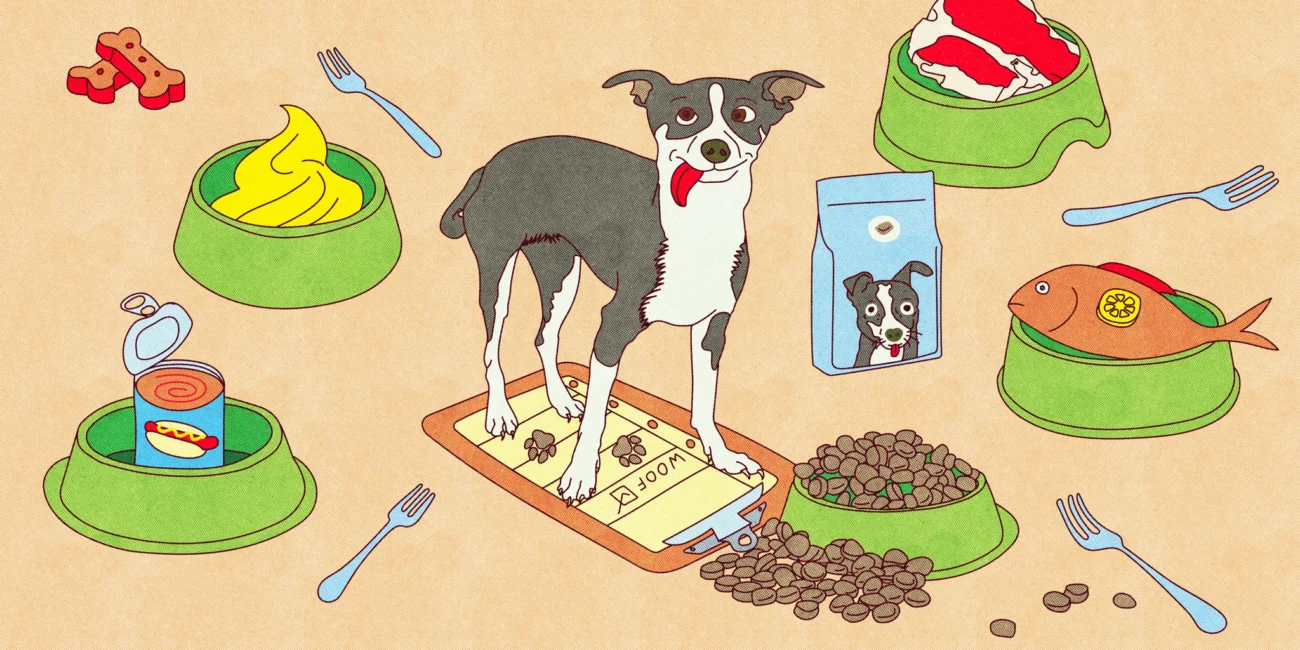
Choosing the right food for your dog is a critical decision that can significantly impact their health and well-being. With a myriad of options available in the market, from dry kibble to raw diets, making an informed choice can be daunting for pet owners. This guide explores the pros and cons of different types of dog food, helping you make an educated decision that suits your pet’s unique needs.
Understanding Dog Nutrition Basics
Before delving into specific types of dog food, it’s essential to understand the basic nutritional needs of canines. Dogs require a balanced diet that includes proteins, carbohydrates, fats, vitamins, and minerals. Proteins are crucial for muscle development and repair, carbohydrates provide energy, fats support skin and coat health, and vitamins and minerals are necessary for overall bodily functions.
Commercial Dry Dog Food (Kibble)
Pros
– **Convenience**: Dry dog food is easy to store, measure, and serve. It requires no refrigeration and has a long shelf life.
– **Dental Health**: Some kibble formulations are designed to reduce tartar buildup and promote dental health through the mechanical action of chewing.
– **Cost-effective**: Generally, kibble is more affordable compared to other types of dog food, making it an economical choice for many pet owners.
Cons
– **Quality Variations**: The quality of ingredients can vary significantly between brands. Some may include fillers, artificial preservatives, and low-quality proteins.
– **Allergies and Sensitivities**: Some dogs may develop allergies or sensitivities to certain grains or proteins commonly used in kibble.
– **Nutrient Loss**: The high-temperature processing can lead to nutrient degradation, requiring manufacturers to add synthetic vitamins and minerals.
Canned or Wet Dog Food
Pros
– **Palatability**: Wet food is generally more palatable to dogs, appealing to picky eaters or those with reduced appetite.
– **Hydration**: It has a high moisture content, which can help keep dogs hydrated, particularly beneficial for dogs that do not drink enough water.
– **Nutrient Density**: Often contains higher protein and fat content, making it suitable for active or growing dogs.
Cons
– **Cost**: Wet food is typically more expensive than dry food, especially for larger breeds that require more calories.
– **Storage and Shelf Life**: Once opened, canned food must be refrigerated and consumed within a few days to prevent spoilage.
– **Dental Health**: Lacks the abrasive texture that helps clean teeth, potentially leading to more dental issues if not managed with regular brushing or dental treats.
Raw Diets
Pros
– **Natural Ingredients**: Advocates of raw diets emphasize the use of whole, unprocessed ingredients, which can be closer to a dog’s ancestral diet.
– **Improved Coat and Skin**: Many owners report shinier coats and healthier skin when feeding a raw diet.
– **Digestive Health**: Some dogs experience improved digestion and smaller, firmer stools on a raw diet.
Cons
– **Risk of Pathogens**: Raw meat can contain harmful bacteria such as Salmonella or E. coli, posing health risks to both dogs and humans.
– **Nutritional Imbalance**: Without careful formulation, raw diets can be deficient in essential nutrients, potentially leading to health issues over time.
– **Time and Cost**: Preparing a balanced raw diet can be time-consuming and expensive, requiring careful planning and sourcing of quality ingredients.
Homemade Dog Food
Pros
– **Control Over Ingredients**: Making dog food at home allows owners to choose high-quality ingredients and tailor meals to meet specific dietary needs.
– **Customization**: Ideal for dogs with allergies or medical conditions requiring a specialized diet.
– **Bonding Experience**: Preparing food for your pet can enhance the bond between owner and dog.
Cons
– **Nutritional Balance**: Ensuring a homemade diet is nutritionally complete requires knowledge and consultation with a veterinary nutritionist.
– **Time and Effort**: It involves significant time and effort to prepare balanced meals regularly.
– **Cost**: Depending on the ingredients used, homemade diets can be more costly than commercial options.
Grain-Free Dog Food
Pros
– **Allergy Management**: Beneficial for dogs with grain sensitivities or allergies, which can cause skin irritation and digestive issues.
– **High Protein Content**: Often formulated with alternative protein sources, providing more protein than traditional diets.
Cons
– **Nutritional Concerns**: The FDA has investigated potential links between grain-free diets and heart disease (dilated cardiomyopathy) in dogs. More research is needed to understand these findings fully.
– **Misleading Marketing**: Grain-free does not necessarily mean healthier, and some formulations may still contain high levels of carbohydrates from other sources.
– **Cost**: Typically pricier than grain-inclusive foods due to the use of alternative ingredients.
Choosing the Right Dog Food for Your Pet
Selecting the right dog food depends on various factors, including your dog’s age, breed, activity level, and health status. Here are a few tips to guide your decision:
– **Consult Your Veterinarian**: Always seek your veterinarian’s advice before making significant changes to your dog’s diet, especially if your pet has health issues.
– **Read Labels Carefully**: Look for foods with high-quality ingredients and avoid those with artificial additives or unspecified meat by-products.
– **Monitor Your Dog’s Response**: Pay attention to how your dog reacts to their food, noting any changes in energy levels, coat condition, or digestive health.
Conclusion
Feeding your dog is a significant responsibility that can influence their quality of life. By understanding the pros and cons of different types of dog food, you are better equipped to make informed decisions that promote your pet’s health and happiness. Whether you opt for commercial diets or decide to prepare homemade meals, the key is to ensure that your dog’s nutritional needs are met consistently and adequately. Remember, a well-fed dog is a happy and healthy companion.
