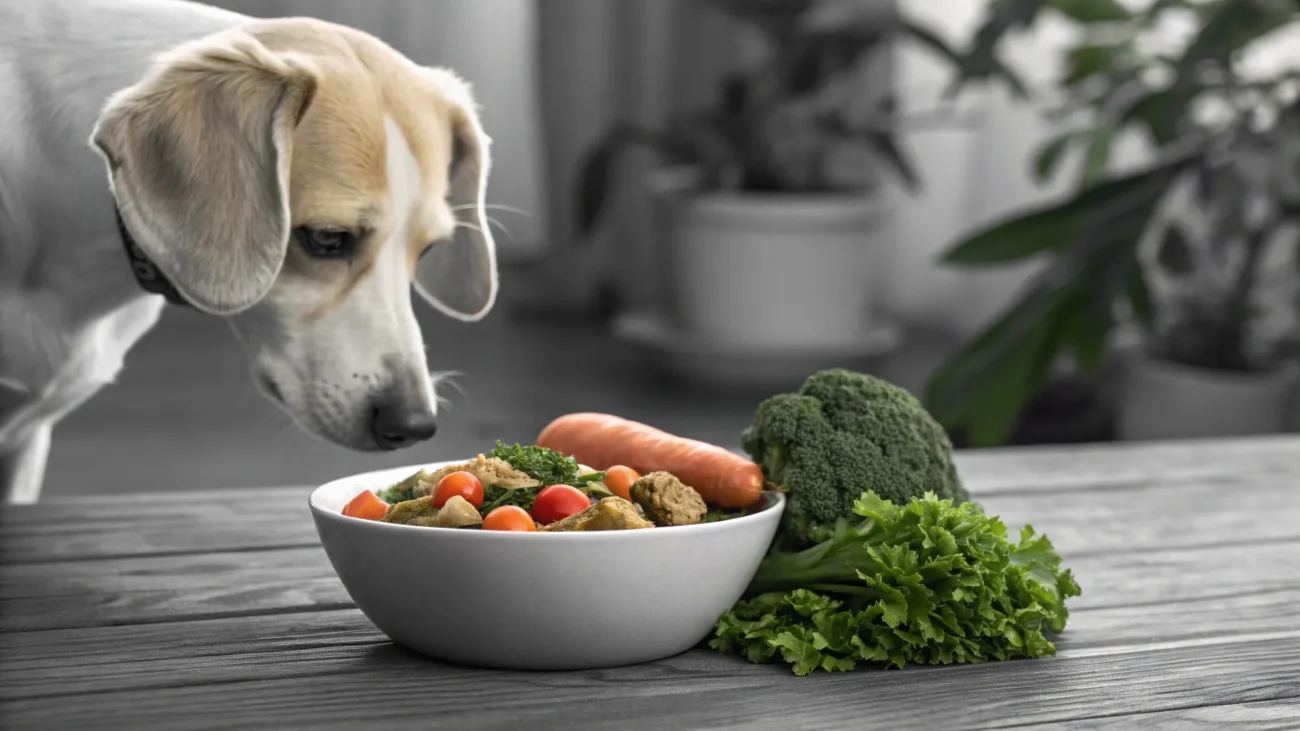
Ensuring your dog receives proper nutrition is crucial for their overall health and well-being. Good nutrition plays a significant role in maintaining a healthy weight, supporting growth, enhancing coat quality, and boosting the immune system. This article will guide you through essential dog nutrition tips that can help you provide the best care for your four-legged friend.
Understanding Dog Nutritional Needs
Dogs, like humans, require a balanced diet that includes proteins, fats, carbohydrates, vitamins, and minerals. Each of these components serves a unique purpose and contributes to your dog’s overall health.
Proteins
Proteins are crucial for building and repairing tissues, supporting immune function, and maintaining healthy skin and coat. Dogs are omnivores, and their protein sources can include meat, fish, eggs, and plant-based proteins like lentils and chickpeas. It’s important to ensure your dog receives high-quality protein, as this will provide essential amino acids that their body cannot produce naturally.
Fats
Fats are a concentrated source of energy and are vital for absorbing fat-soluble vitamins, maintaining cell integrity, and regulating body temperature. Essential fatty acids, such as omega-3 and omega-6, play a critical role in reducing inflammation and supporting brain and heart health. Fish oil and flaxseed are excellent sources of these beneficial fatty acids.
Carbohydrates
Carbohydrates provide energy, aid in digestive health, and supply fiber. Whole grains, vegetables, and fruits are healthy carbohydrate sources that can benefit your dog’s diet. However, it’s important to monitor carbohydrate intake to prevent obesity, especially in less active dogs.
Vitamins and Minerals
Vitamins and minerals are necessary for numerous bodily functions, including bone development, blood coagulation, and immune response. A balanced diet typically provides all the necessary vitamins and minerals, but some dogs may require supplements due to specific health needs or deficiencies.
Creating a Balanced Diet
Creating a balanced diet for your dog involves understanding their specific dietary needs based on factors such as age, size, breed, activity level, and health status. Here are some guidelines to help you ensure your dog’s diet is well-rounded and nutritious.
Puppy Nutrition
Puppies require higher levels of protein and fat compared to adult dogs to support their rapid growth and development. Feeding puppies a specially formulated puppy food ensures they receive the necessary nutrients for healthy bones, muscles, and organs. It’s recommended to feed puppies three to four small meals a day to maintain consistent energy levels.
Adult Dog Nutrition
Once your dog reaches adulthood, their dietary needs will shift slightly. Adult dogs require balanced nutrition to maintain their weight and health. Depending on their activity level, adult dogs may need fewer calories than puppies. Regular feeding times, usually twice a day, can help maintain a healthy weight and digestive schedule.
Senior Dog Nutrition
As dogs age, their metabolism slows down, and they may become less active. Senior dogs often need a diet lower in calories to prevent obesity but still rich in protein to maintain muscle mass. Joint health supplements and easily digestible foods can benefit older dogs by supporting mobility and digestive health.
Choosing the Right Dog Food
Choosing the right dog food is crucial to meeting your pet’s nutritional needs. Here are some tips to help you make an informed decision:
Commercial Dog Food
Commercial dog foods are available in various forms, including dry kibble, canned, and semi-moist. Look for high-quality brands that list whole meat or meat meal as the primary ingredient. Avoid foods with excessive fillers, artificial preservatives, and by-products. Opt for brands that meet the Association of American Feed Control Officials (AAFCO) standards, ensuring a complete and balanced diet.
Homemade Dog Food
Some pet owners prefer homemade diets to have more control over their dog’s nutrition. If you choose this route, consult with a veterinary nutritionist to create a balanced recipe that meets all of your dog’s nutritional needs. Homemade diets require careful planning and preparation to ensure they provide the right balance of nutrients.
Raw Diet
A raw diet, or BARF (Biologically Appropriate Raw Food) diet, consists of raw meat, bones, and vegetables. Proponents of raw diets argue that they mimic a dog’s natural diet in the wild. However, raw diets can pose risks, such as bacterial contamination and nutritional imbalances. If considering a raw diet, it’s essential to consult with a veterinarian to ensure safety and balance.
Monitoring Your Dog’s Health
Regularly monitoring your dog’s health can help you identify any nutritional deficiencies or health issues early. Consider the following aspects:
Body Condition
Assess your dog’s body condition regularly. A healthy dog should have a visible waist when viewed from above and a slight tuck in the belly when viewed from the side. You should be able to feel their ribs without excessive fat covering them. Adjust their diet and exercise routine if your dog is underweight or overweight.
Coat and Skin Health
A shiny coat and healthy skin are indicators of good nutrition. If your dog’s coat appears dull, dry, or flaky, it may be a sign of a nutritional deficiency or food allergy. Ensure their diet includes adequate fatty acids and consult with a veterinarian if issues persist.
Regular Veterinary Check-Ups
Regular veterinary check-ups are essential for maintaining your dog’s health. Your vet can help identify nutritional deficiencies and recommend dietary adjustments if necessary. Annual blood tests can also provide insight into your dog’s overall health and detect any underlying issues.
Conclusion
Providing your dog with optimal nutrition is a vital component of responsible pet ownership. By understanding their nutritional needs, creating a balanced diet, and choosing the right food, you can ensure your dog lives a healthy and happy life. Regular monitoring of their health and consulting with veterinary professionals will further enhance their well-being. With these essential dog nutrition tips, you’re well-equipped to give your furry friend the care they deserve.
