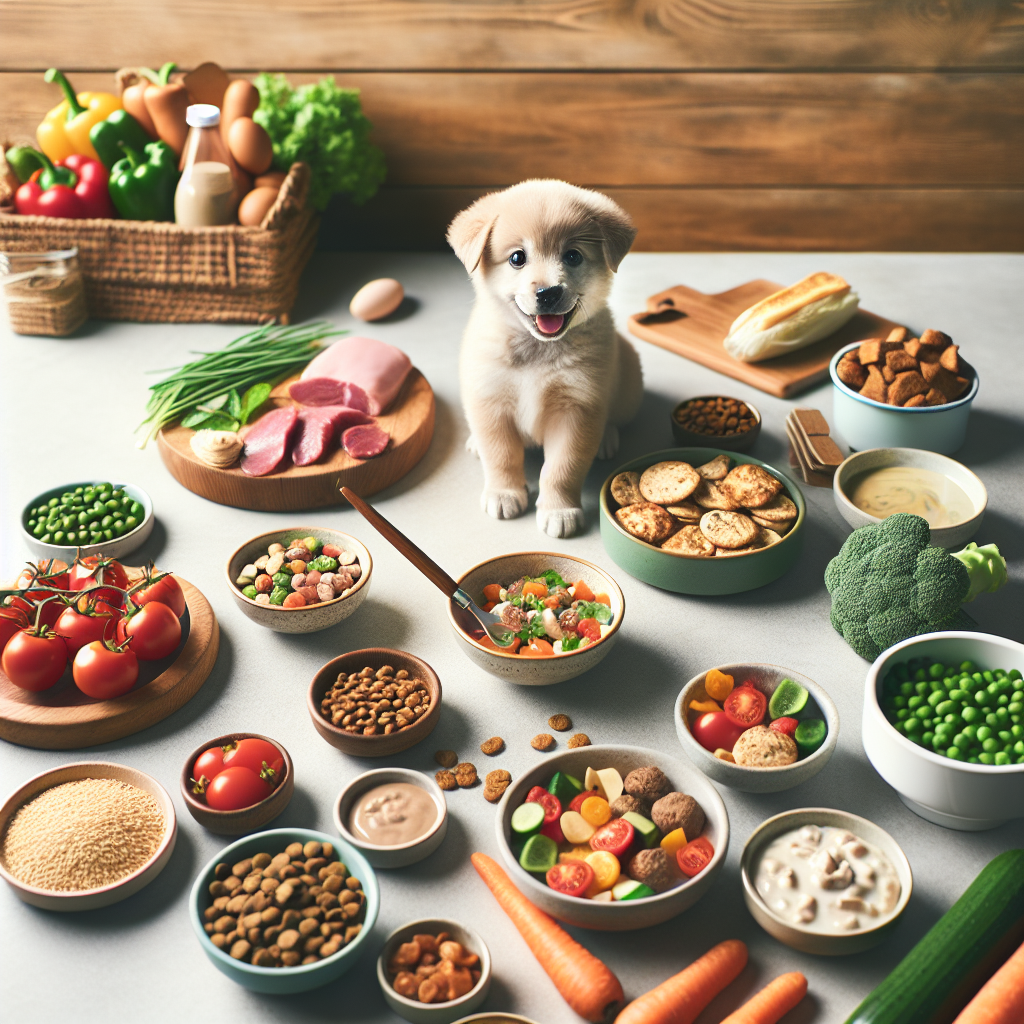
Welcoming a new puppy into your home is an exciting and joyful experience. As a responsible pet owner, ensuring that your furry friend receives the best nutrition possible is crucial to their growth and overall health. While commercial puppy foods are convenient, creating your own homemade puppy food allows you to tailor meals to your puppy’s specific needs and preferences. This article will explore the benefits of homemade puppy food and provide you with a selection of nutritious recipes to support healthy growth.
Why Choose Homemade Puppy Food?
There are several reasons pet owners might opt for homemade puppy food:
1. **Quality Control**: By preparing food at home, you have complete control over the ingredients and can ensure that your puppy is consuming high-quality, wholesome foods.
2. **Customization**: Homemade recipes can be tailored to accommodate your puppy’s dietary needs, preferences, and any allergies or sensitivities they might have.
3. **Freshness**: Homemade meals are free from preservatives and artificial flavors, offering your puppy fresh and natural nourishment.
4. **Bonding**: Preparing food for your puppy can strengthen the bond between you and your pet as you invest time and care into their well-being.
Essential Nutrients for Puppy Growth
Before diving into recipes, it’s important to understand the essential nutrients puppies need for healthy development:
– **Protein**: Vital for muscle development and growth. Sources include lean meats, fish, eggs, and dairy products.
– **Fats**: Provide energy and aid in brain development. Healthy fats can be found in fish oil, chicken fat, and vegetable oils.
– **Carbohydrates**: Supply energy. Good sources include rice, oats, and sweet potatoes.
– **Vitamins and Minerals**: Essential for various bodily functions. Ensure a balance of calcium, phosphorus, and vitamins like A, D, and E.
– **Water**: Critical for overall health. Always ensure fresh water is available.
Recipe 1: Chicken and Rice Delight
**Ingredients:**
– 1 cup of cooked chicken breast, shredded
– 1/2 cup of cooked brown rice
– 1/4 cup of finely chopped carrots
– 1/4 cup of peas
– 1 tablespoon of fish oil
**Instructions:**
1. Cook the chicken breast thoroughly and shred it into small, bite-sized pieces.
2. Boil the brown rice until fully cooked and tender.
3. Steam the carrots and peas until soft.
4. In a large bowl, combine the chicken, rice, carrots, and peas.
5. Add the fish oil and mix well to ensure even distribution.
6. Allow the mixture to cool before serving to your puppy.
**Nutritional Benefits:**
This recipe provides high-quality protein from chicken, essential carbohydrates from rice, and a host of vitamins and minerals from the vegetables. Fish oil provides omega-3 fatty acids, promoting a healthy coat and cognitive development.
Recipe 2: Beef and Sweet Potato Medley
**Ingredients:**
– 1 cup of lean ground beef
– 1/2 cup of sweet potatoes, peeled and diced
– 1/4 cup of green beans, chopped
– 1/4 cup of finely chopped spinach
– 1 tablespoon of olive oil
**Instructions:**
1. Brown the ground beef in a skillet over medium heat until fully cooked.
2. Boil the sweet potatoes until soft and mash them slightly.
3. Steam the green beans and spinach until tender.
4. In a mixing bowl, combine the beef, sweet potatoes, green beans, and spinach.
5. Drizzle olive oil over the mixture and stir well.
6. Allow the dish to cool to room temperature before feeding your puppy.
**Nutritional Benefits:**
This meal is rich in protein and healthy fats from beef and olive oil, while sweet potatoes provide carbohydrates and fiber. Spinach and green beans offer a variety of vitamins and minerals essential for growth.
Recipe 3: Fish and Quinoa Feast
**Ingredients:**
– 1 cup of cooked white fish (such as cod or tilapia), flaked
– 1/2 cup of cooked quinoa
– 1/4 cup of diced zucchini
– 1/4 cup of chopped kale
– 1 teaspoon of flaxseed oil
**Instructions:**
1. Cook the fish thoroughly and flake it into small pieces.
2. Prepare quinoa according to package instructions.
3. Steam the zucchini and kale until tender.
4. In a bowl, mix the fish, quinoa, zucchini, and kale.
5. Add flaxseed oil and mix to combine.
6. Ensure the food is cooled before serving to your puppy.
**Nutritional Benefits:**
Fish is an excellent source of protein and omega-3 fatty acids, promoting a shiny coat and healthy skin. Quinoa provides essential amino acids, while zucchini and kale contribute important vitamins and minerals.
Important Considerations
When preparing homemade puppy food, consider the following:
– **Balance**: Ensure each meal is balanced with the right proportion of protein, fats, and carbohydrates.
– **Variety**: Rotate recipes to provide a wide range of nutrients and prevent dietary deficiencies.
– **Consultation**: Consult your veterinarian to ensure the recipes meet your puppy’s specific nutritional requirements.
Transitioning to Homemade Food
Transitioning your puppy from commercial food to homemade meals should be gradual to avoid digestive upset. Start by mixing a small amount of homemade food with their current diet, gradually increasing the homemade portion over a week or two until the transition is complete.
Conclusion
Homemade puppy food can be a healthy and rewarding option for your new furry friend. By carefully selecting wholesome ingredients and following balanced recipes, you can provide your puppy with the nutrition they need for optimal growth and development. Remember to consult your veterinarian to ensure your homemade meals meet all of your puppy’s dietary needs. With time, effort, and a little creativity, you can support your puppy’s health and happiness through nutritious homemade meals.
