Preparing homemade meals for your dog can be a rewarding endeavor that not only enhances the bond you share but also ensures that your pet receives the optimal nutrition needed for a healthy life. However, crafting these meals requires an understanding of canine nutritional needs and should be done with guidance from a veterinarian. This article will guide you through vet-approved homemade dog recipes, ensuring each meal is balanced and tailored to your furry friend’s health requirements.
Understanding Canine Nutritional Needs
Before delving into recipes, it’s essential to understand the basic nutritional needs of dogs. Dogs require a balanced diet that includes:
– **Proteins**: Essential for growth, maintenance, and repair of tissues. Sources include meat, fish, eggs, and some plant-based options such as lentils.
– **Fats**: Provide energy and aid in the absorption of vitamins. Healthy fats can be found in fish oil, chicken fat, and flaxseed.
– **Carbohydrates**: Offer a source of energy and fiber. Good sources are rice, oats, and sweet potatoes.
– **Vitamins and Minerals**: Necessary for various bodily functions. These can be obtained from vegetables, fruits, and supplements.
– **Water**: Vital for all life processes, ensuring your pet stays hydrated is crucial.
Each of these components plays a significant role in maintaining your dog’s health and well-being. Consult with a veterinarian to determine the precise nutritional needs of your dog, as these can vary based on age, size, breed, and health conditions.
Benefits of Homemade Dog Food
There are several benefits to preparing homemade meals for your dog:
– **Transparency**: You have complete control over the ingredients, ensuring that your dog is consuming high-quality, non-processed foods.
– **Customization**: Meals can be tailored to meet specific dietary needs or restrictions.
– **Bonding**: Preparing meals can be a bonding experience between you and your dog.
– **Health Monitoring**: You can adjust ingredients based on your dog’s health needs, such as weight management or allergies.
While there are numerous benefits, it’s important to remember that preparing homemade dog food requires time, effort, and a commitment to understanding your dog’s dietary needs.
Vet-Approved Homemade Dog Recipes
The following recipes have been crafted with the guidance of veterinary nutritionists to ensure they meet the nutritional requirements of most dogs. However, it’s crucial to consult your vet before introducing new foods into your dog’s diet.
1. Chicken and Rice Delight
**Ingredients:**
– 2 cups of brown rice
– 1 pound of ground chicken
– 1 cup of finely chopped vegetables (such as carrots, peas, and spinach)
– 1 tablespoon of fish oil (for omega-3 fatty acids)
– 4 cups of water
**Instructions:**
1. Cook the brown rice according to the package instructions.
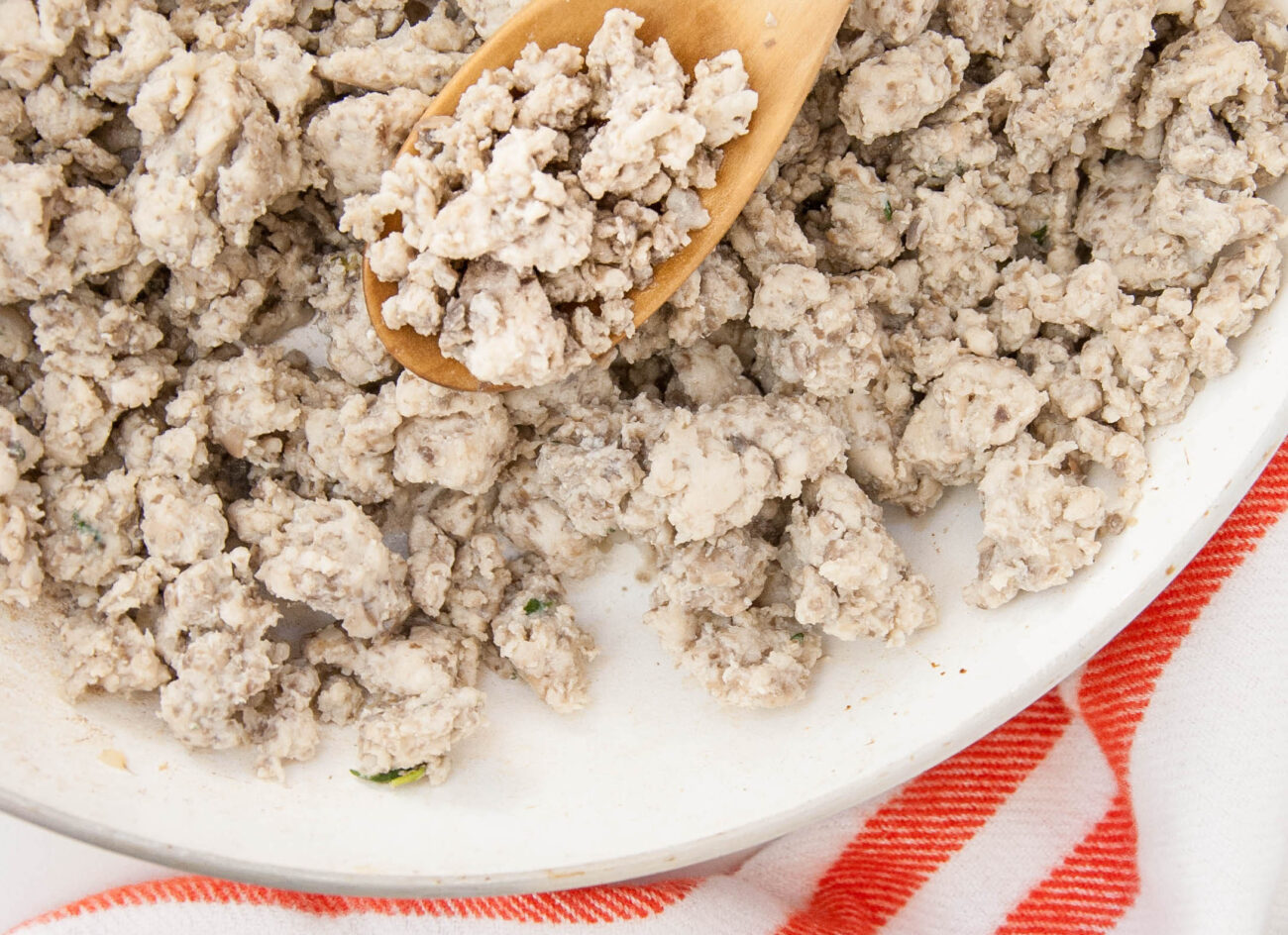
2. In a separate pan, cook the ground chicken until fully done.
3. Combine the cooked rice, chicken, and vegetables in a large pot.
4. Add the water and fish oil, then simmer for 10 minutes.
5. Allow the mixture to cool before serving.
**Nutritional Benefits:**
This recipe is rich in protein, vitamins, and omega-3 fatty acids, promoting healthy skin and coat, strong muscles, and overall vitality.
2. Beef and Sweet Potato Stew
**Ingredients:**
– 1 pound of lean ground beef
– 1 large sweet potato, peeled and cubed
– 1 cup of chopped spinach
– 1/2 cup of quinoa
– 1 tablespoon of olive oil
– 3 cups of low-sodium beef broth
**Instructions:**
1. Brown the beef in a large pot, then drain excess fat.
2. Add the sweet potato, spinach, quinoa, and beef broth to the pot.
3. Bring to a boil, then reduce heat and simmer for 20-25 minutes.
4. Stir in the olive oil and allow to cool before serving.
**Nutritional Benefits:**
This hearty stew is packed with protein and complex carbohydrates, providing sustained energy and essential nutrients like iron and vitamins A and C.
3. Turkey and Vegetable Medley
**Ingredients:**
– 1 pound of ground turkey
– 1 cup of diced carrots
– 1 cup of green beans, chopped
– 1/2 cup of peas
– 1/2 cup of barley
– 1 tablespoon of flaxseed oil
– 4 cups of water
**Instructions:**
1. Cook the barley according to package instructions.
2. In a separate pan, brown the ground turkey.
3. Combine the turkey, carrots, green beans, peas, and water in a large pot.
4. Simmer for 15 minutes, then stir in the cooked barley and flaxseed oil.
5. Allow the mixture to cool before serving.
**Nutritional Benefits:**
This recipe is rich in fiber and protein, promoting digestive health and supporting muscle development. The inclusion of flaxseed oil provides essential fatty acids for a healthy coat.
Supplementing Homemade Meals
While these recipes offer balanced nutrition, supplementation may be necessary to meet all of your dog’s dietary needs. Consider the following:
– **Calcium**: Essential for bone health. Options include crushed eggshells or calcium supplements.
– **Probiotics**: Support digestive health. These can be found in yogurt or as standalone supplements.
– **Multivitamins**: Ensure your dog receives all necessary vitamins and minerals.
Consult with your veterinarian to determine the appropriate supplements for your dog’s specific needs.
Transitioning to Homemade Dog Food
Switching from commercial dog food to homemade meals should be done gradually to avoid digestive upset. Start by mixing a small amount of homemade food with your dog’s regular food, gradually increasing the proportion over a week or two.
Monitoring Your Dog’s Health
Once on a homemade diet, monitor your dog’s health closely. Look for signs of improved energy levels, a shinier coat, and healthy weight maintenance. Regular vet check-ups are vital to ensure your dog’s dietary needs are being met.
Conclusion
Homemade dog food can be a healthy, rewarding option for your pet when prepared with proper knowledge and care. By working closely with a veterinarian, you can create meals that cater to your dog’s specific nutritional requirements, enhancing their health and happiness. Remember, every dog is unique, and their diet should reflect their individual needs. With careful planning and attention, homemade dog food can lead to a healthier, more vibrant life for your beloved pet.
